


Museum Piece
1803/9
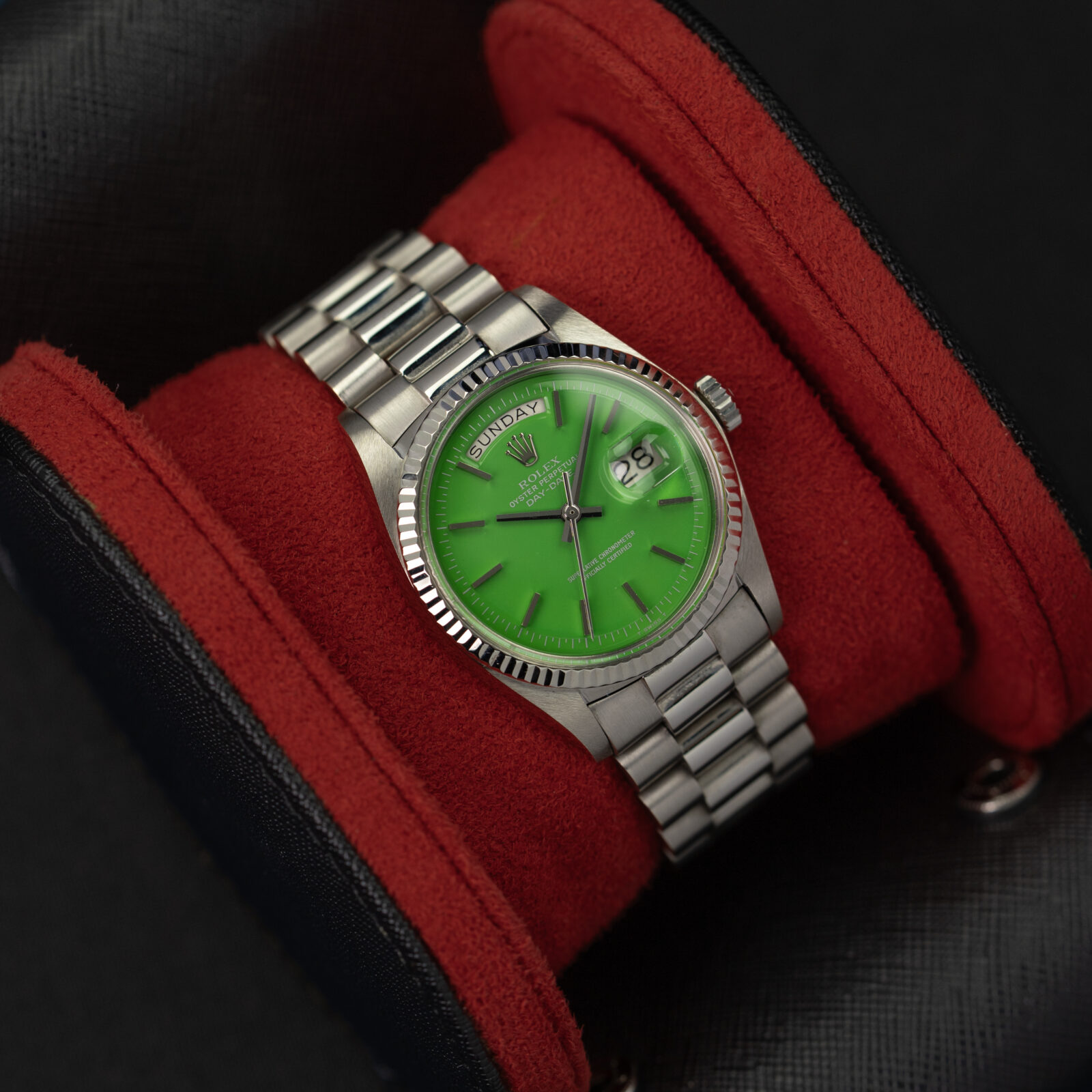
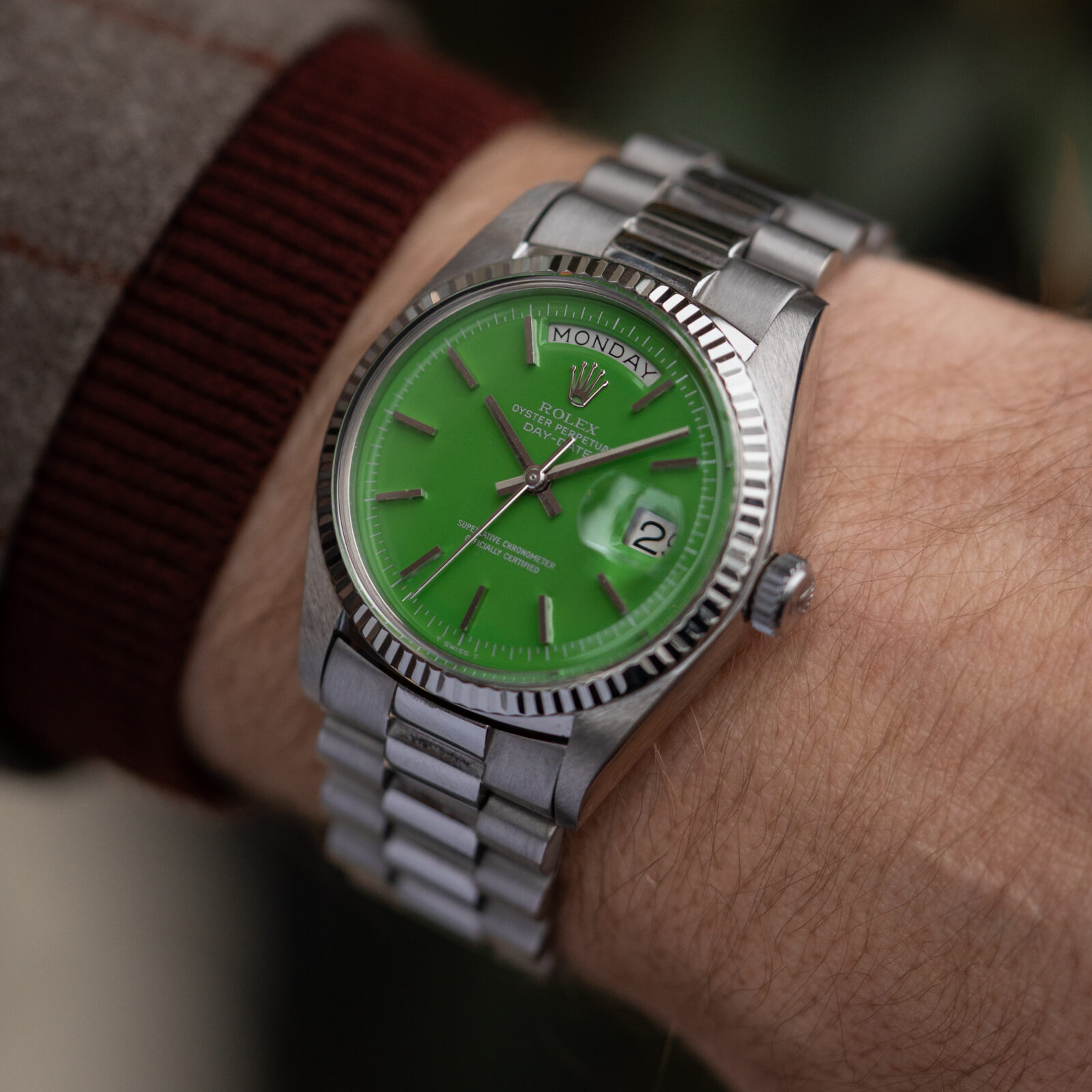
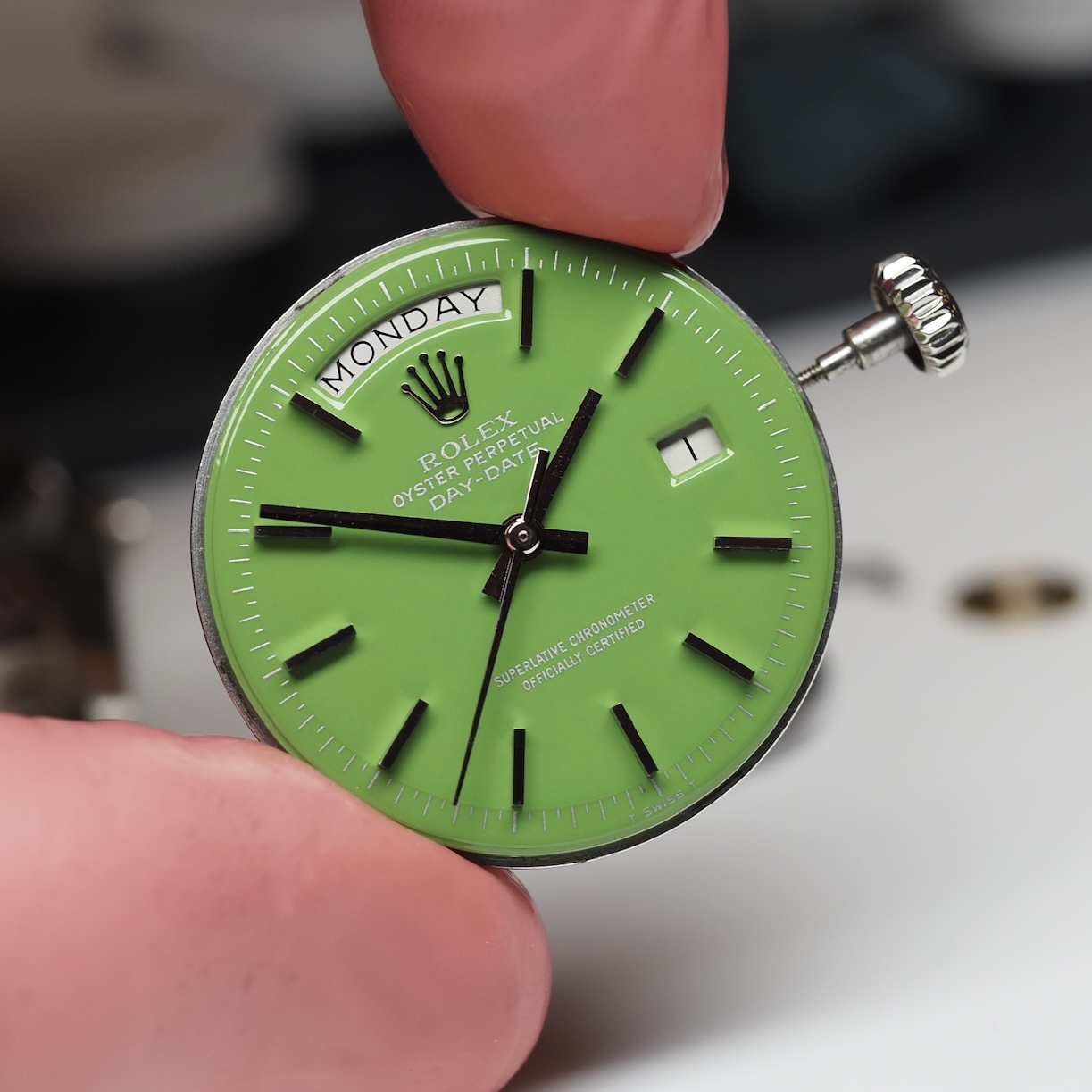
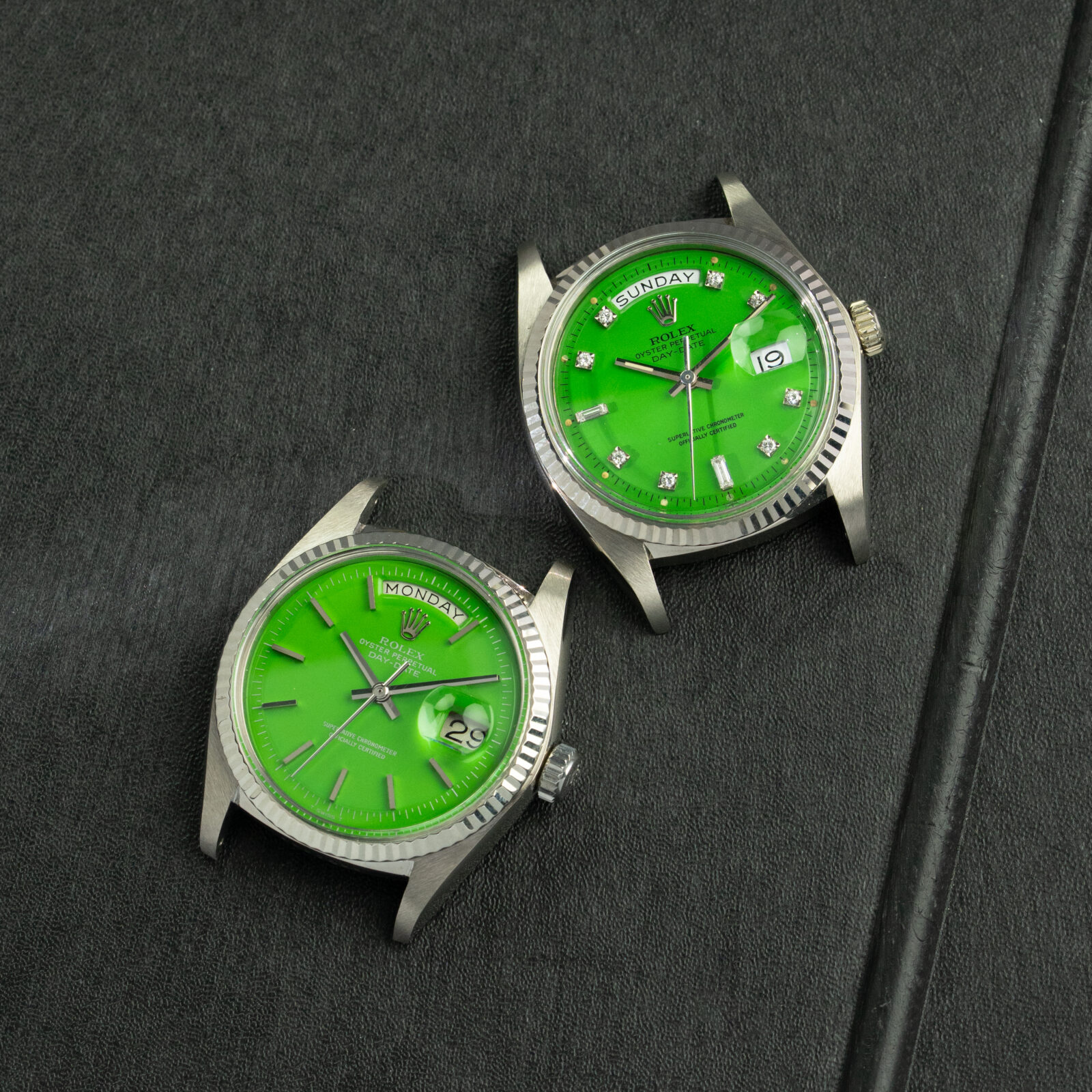
A lime-green Stella with silver print would be ugly to the untrained eye; one who doesn't grasp how incredibly special it is.
It is difficult to imagine what the Rolex design team had in mind when they introduced the wildly colorful Stella dials for their flagship Day-Date. Perhaps the era’s fascination with bold expression and psychedelic influence played a role. Whatever the source of inspiration, these high gloss lacquer dials represented a dramatic departure from Rolex’s traditionally conservative aesthetic. That boldness may explain why they were not an immediate success. The Day-Date was created for presidents, industrial leaders, and the upper tiers of society, hardly the audience one would expect to embrace such vivid and unconventional colors. Yet that early hesitation is exactly what makes Stella dials so desirable today. Production was limited, survival rates even more so, and rarity remains one of the most powerful forces in serious collecting.
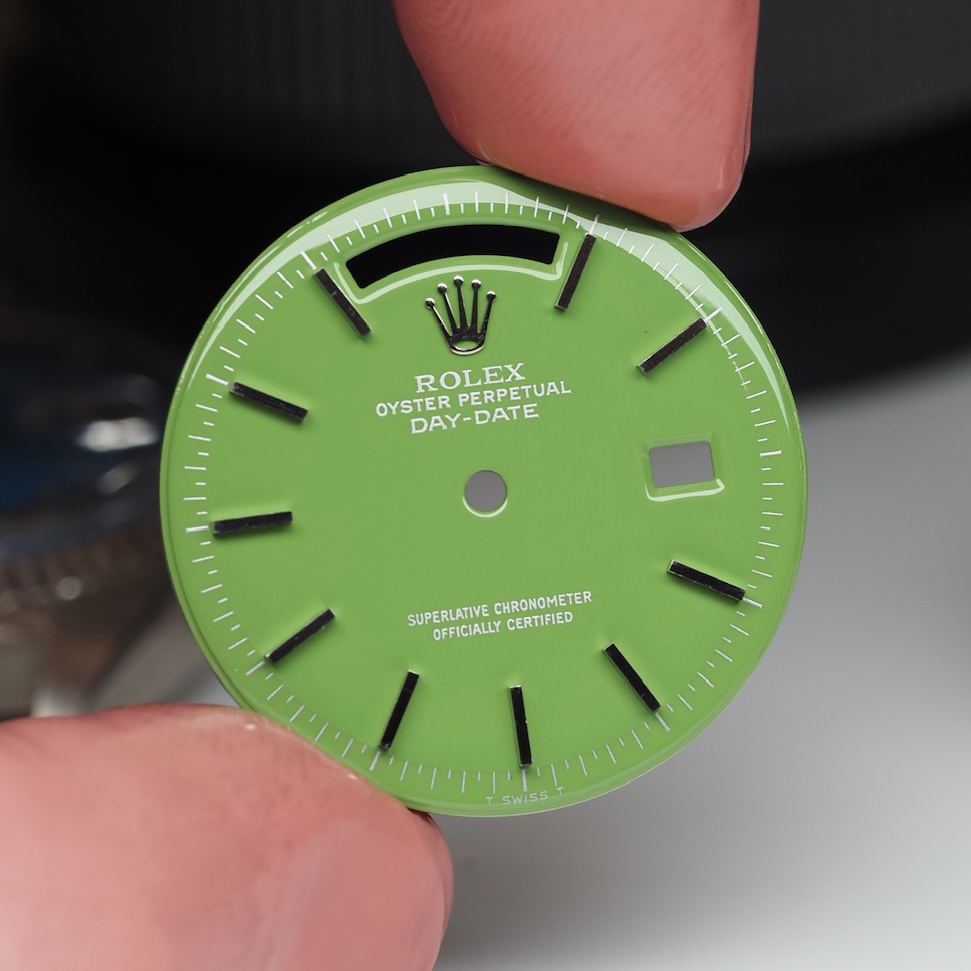
The name Stella comes from the Swiss lacquer supplier Stella S.A. and it is not merely a nickname used by enthusiasts. Rolex themselves referred to these dials as "Lacquered Stella" in internal documentation and master catalogs. Although the surface evokes the richness of enamel, the production method followed a different discipline, more scalable in nature yet still dependent on remarkable craftsmanship. Each batch of lacquer was mixed by hand, which resulted in subtle variations even among dials of the same color. Place two green Stellas side by side and their individual character becomes immediately apparent. This particular lime green example belongs to the rarest tier, the sort of piece that may appear only once in a lifetime, as it does here.
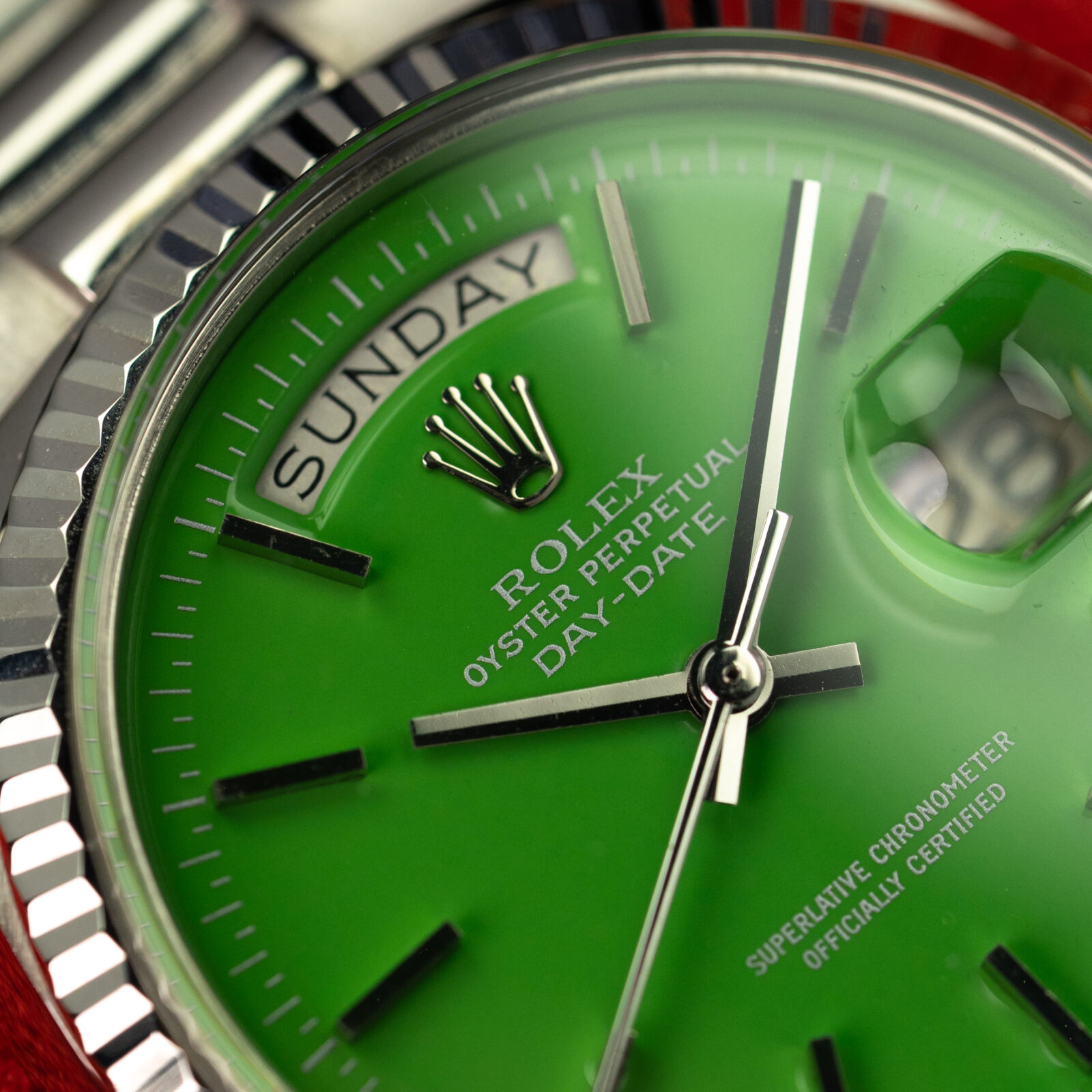
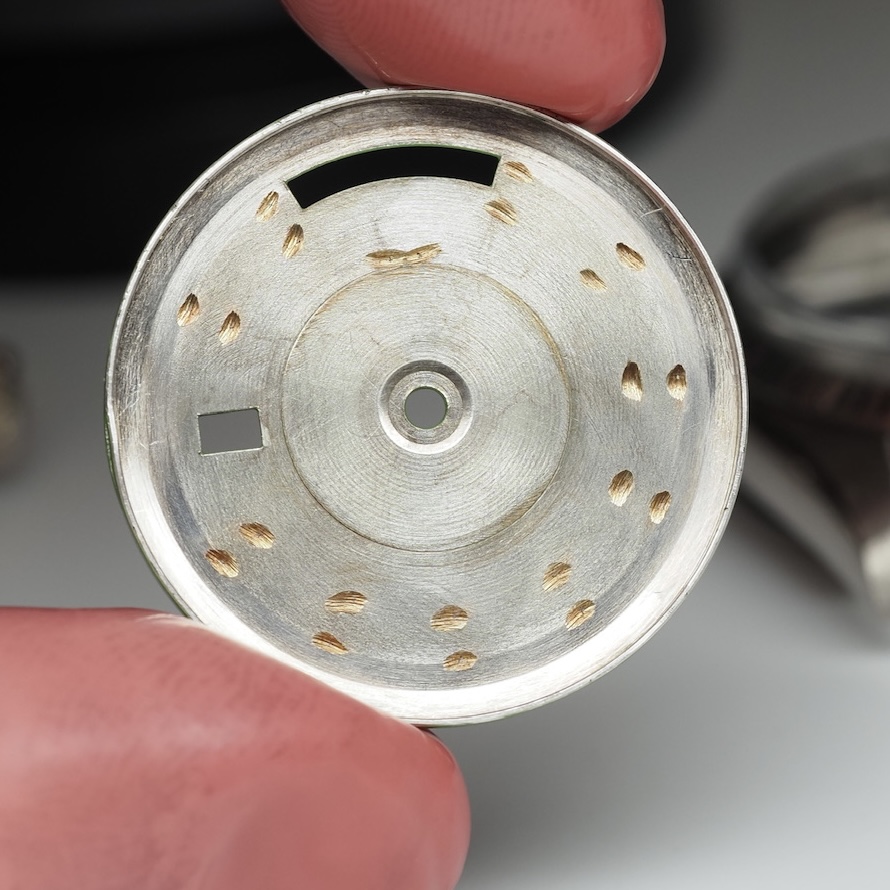
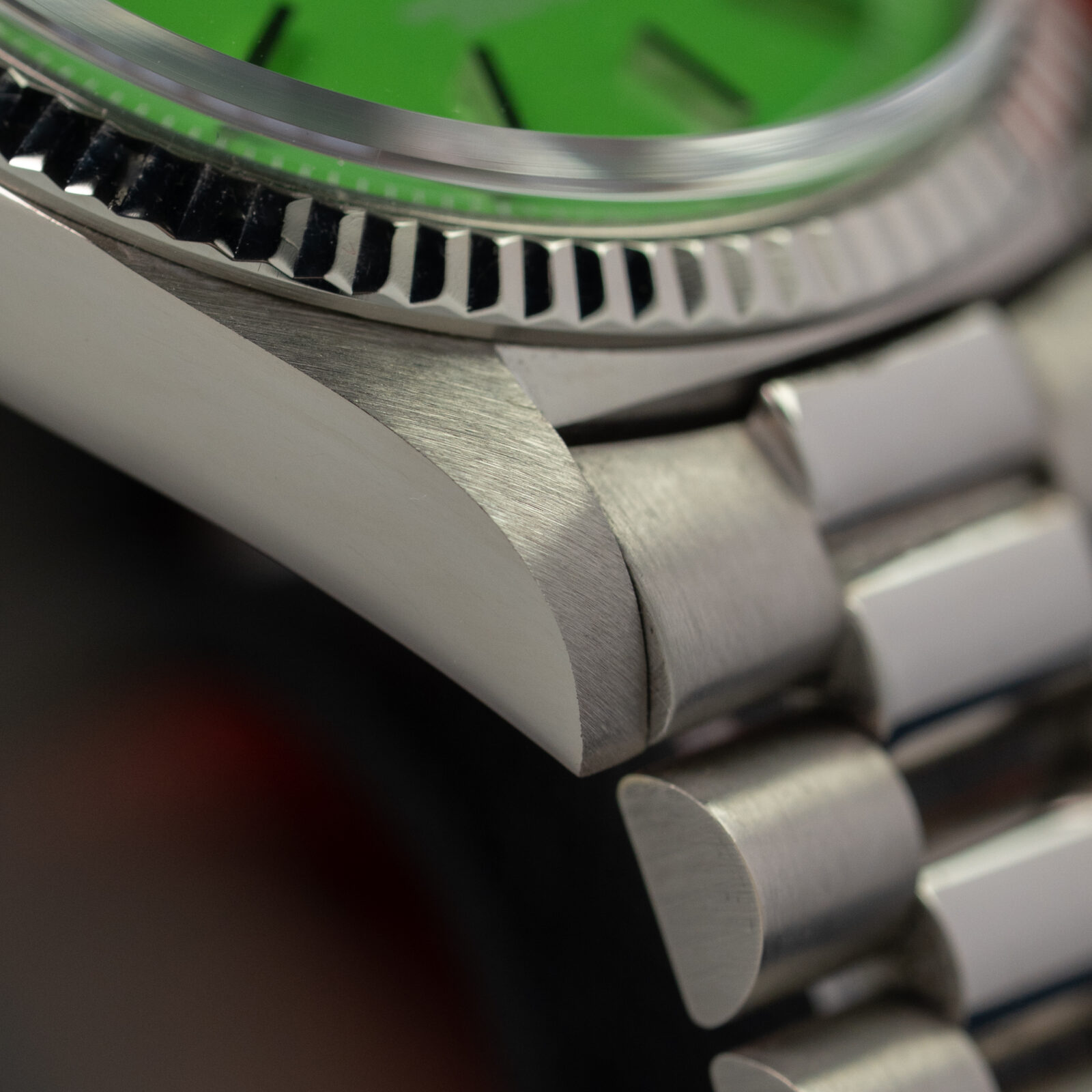
The varnish was applied by a highly skilled specialist using a spray gun, building layer upon layer, each coat requiring complete drying before the next could be applied. The process concluded with a transparent sealing layer that was carefully hand polished to achieve the unmistakable liquid gloss. This dial remains in exceptional condition, with no visible flaws. Even more importantly, it features silver graphics, a detail rarely seen and reserved exclusively for white metal examples. Another fascinating anomaly is the complete absence of tritium, both on the dial and in the hands. The applied markers and the coronet match the white gold 18xx case and President bracelet. White is significantly rarer than comparable yellow gold versions.
This reference 1803 dates to 1978 and belongs to the final production period of first generation Stella dials. Among collectors, the four digit Day Date represents the golden age of Stella production, due in no small part to the iconic pie pan profile that gives the dial remarkable depth and presence. On seventies examples such as this one, a charming bathtub effect can also be observed around the day and date apertures, where the lacquer gently pools, creating one of the most endearing quirks of early Stella manufacturing.
For those who have grown tired of Rolex’s more restrained and utilitarian designs, Stella dials offer something entirely different. Their fearless use of color, combined with extreme scarcity and unmistakable character, has made them one of the most captivating segments of vintage Rolex collecting, and this luminous green example embodies that appeal perfectly.