Patek Philippe Perpetual Calendar 5140R
Sold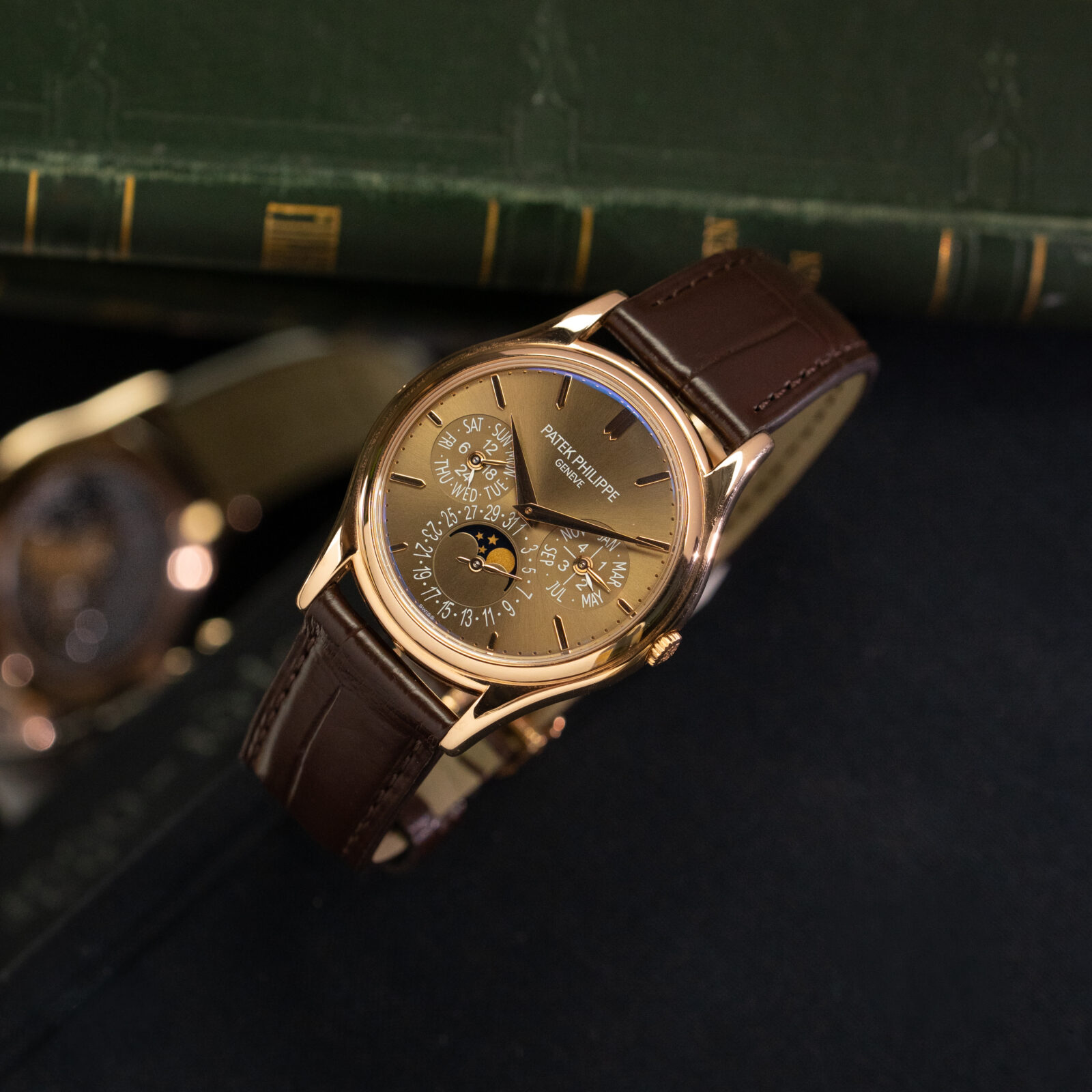
Patek Philippe Perpetual Calendar 5140R
Sold- Free worldwide delivery
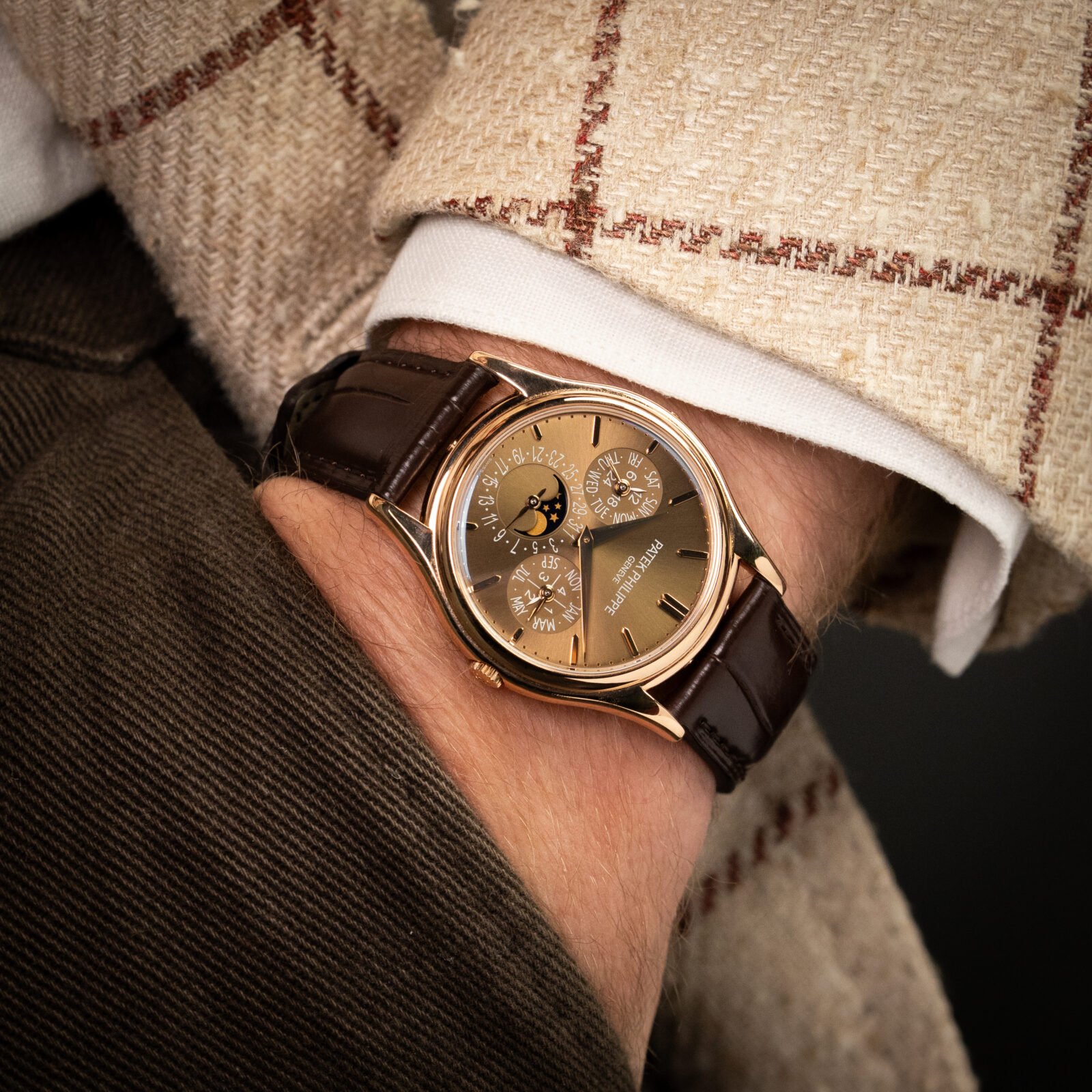
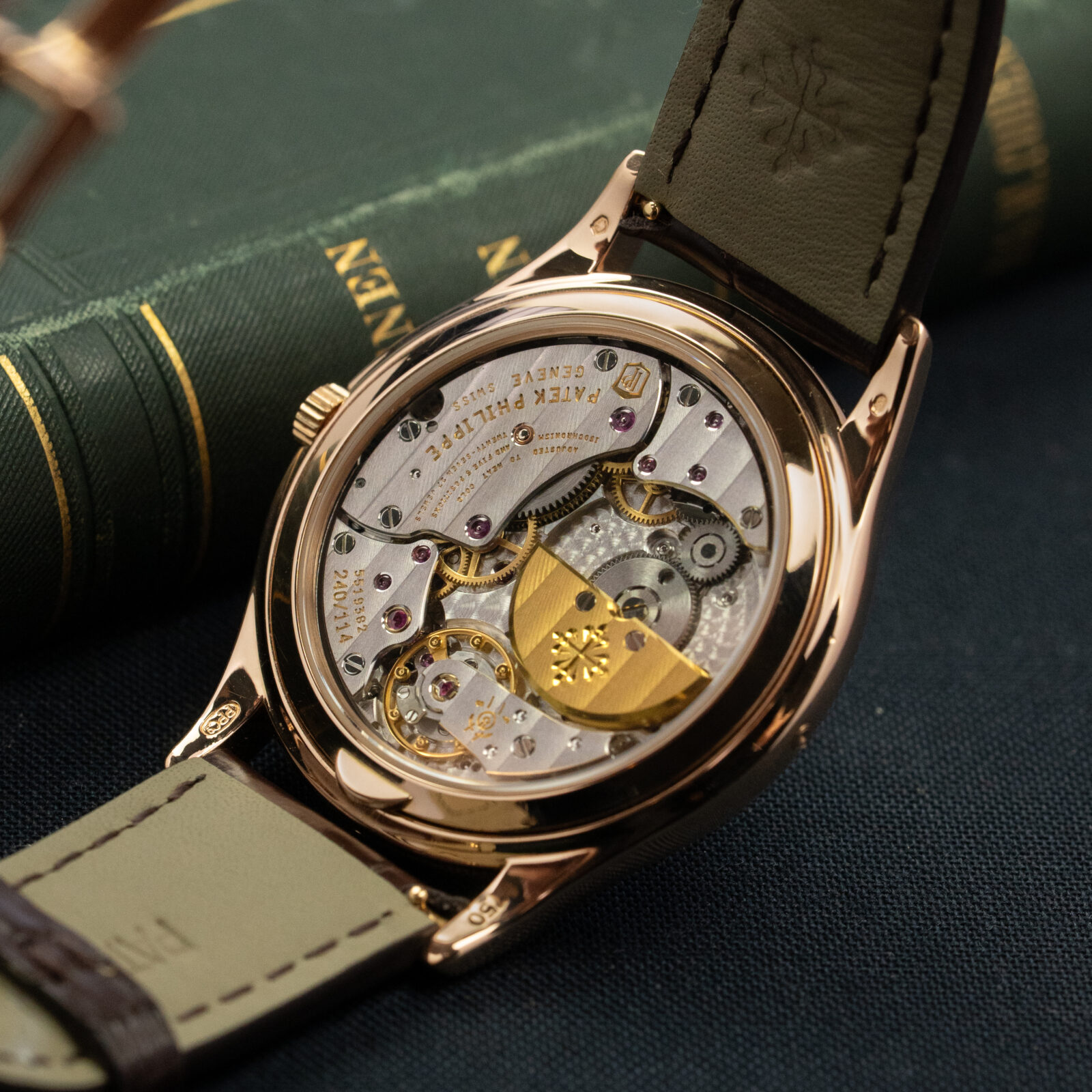
Patek Philippe’s history with perpetual calendars stretches back generations. If you have the time, it is well worth exploring iconic references such as the 1518, 2499, and many others that helped define the genre. The much-loved 3940 preceded the 5140 and measured 1.2 mm smaller, while the present reference comes in at 37.2 mm. Despite the increased size, it retains an elegant profile thanks to the ultra-thin automatic calibre 240Q, which can be admired through the sapphire crystal case back.
The 5140 also introduced a more contemporary aesthetic. Among the updates were revised dial graphics and larger typography, lending the watch a cleaner, more modern appearance while preserving the timeless balance that defines Patek Philippe’s perpetual calendars.
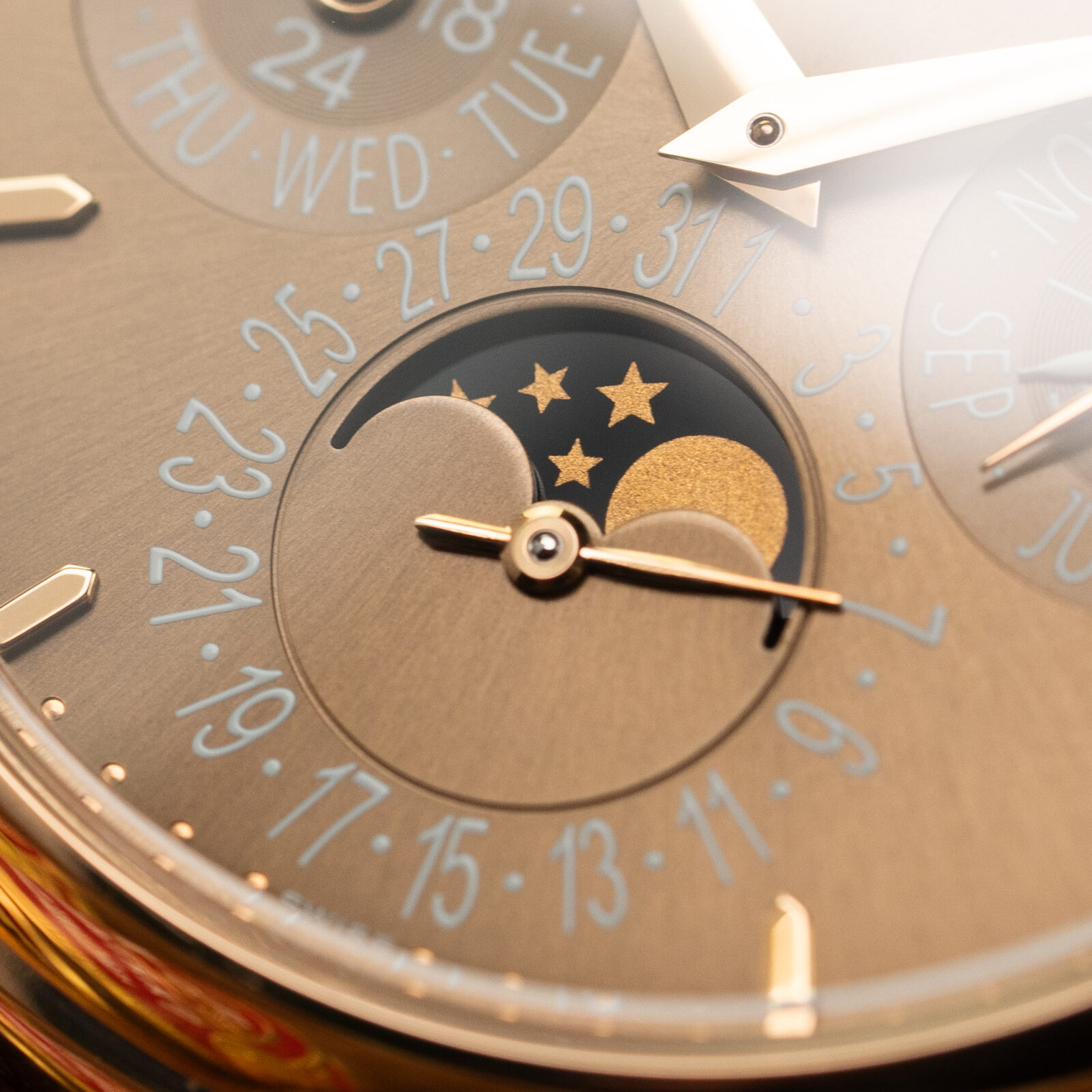
The true highlight of this example, however, is its exceptionally rare bronze dial, exclusive to the rose gold 5140. The warm copper-toned dial pairs beautifully with the rose gold case, creating a rich and harmonious combination that immediately captures attention. Crisp white printing provides striking contrast and freshness, while the recessed sub-dials at 3 and 9 o’clock add depth and refinement. At 6 o’clock, the moon phase display, arguably the most romantic complication in watchmaking, completes the composition with timeless charm.
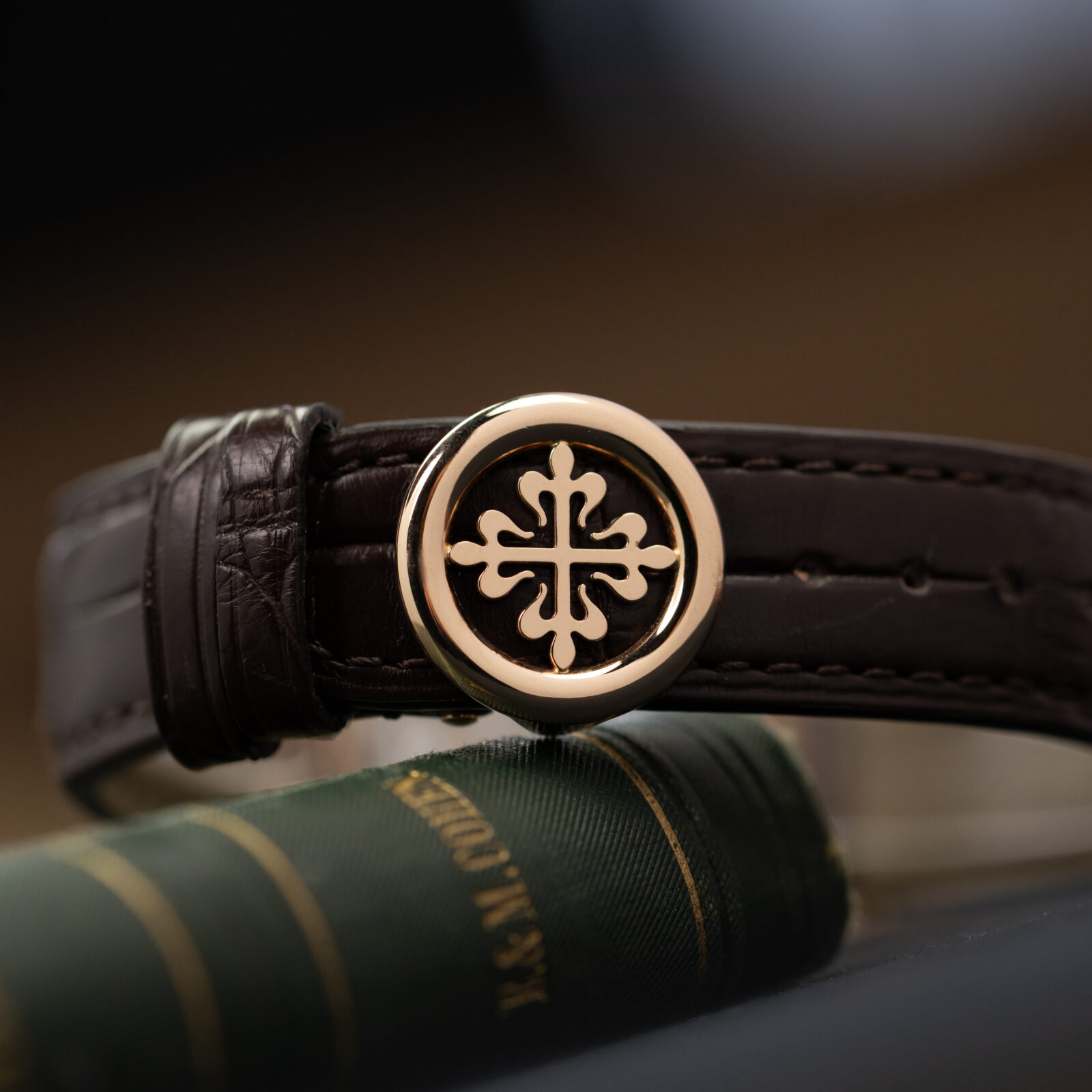
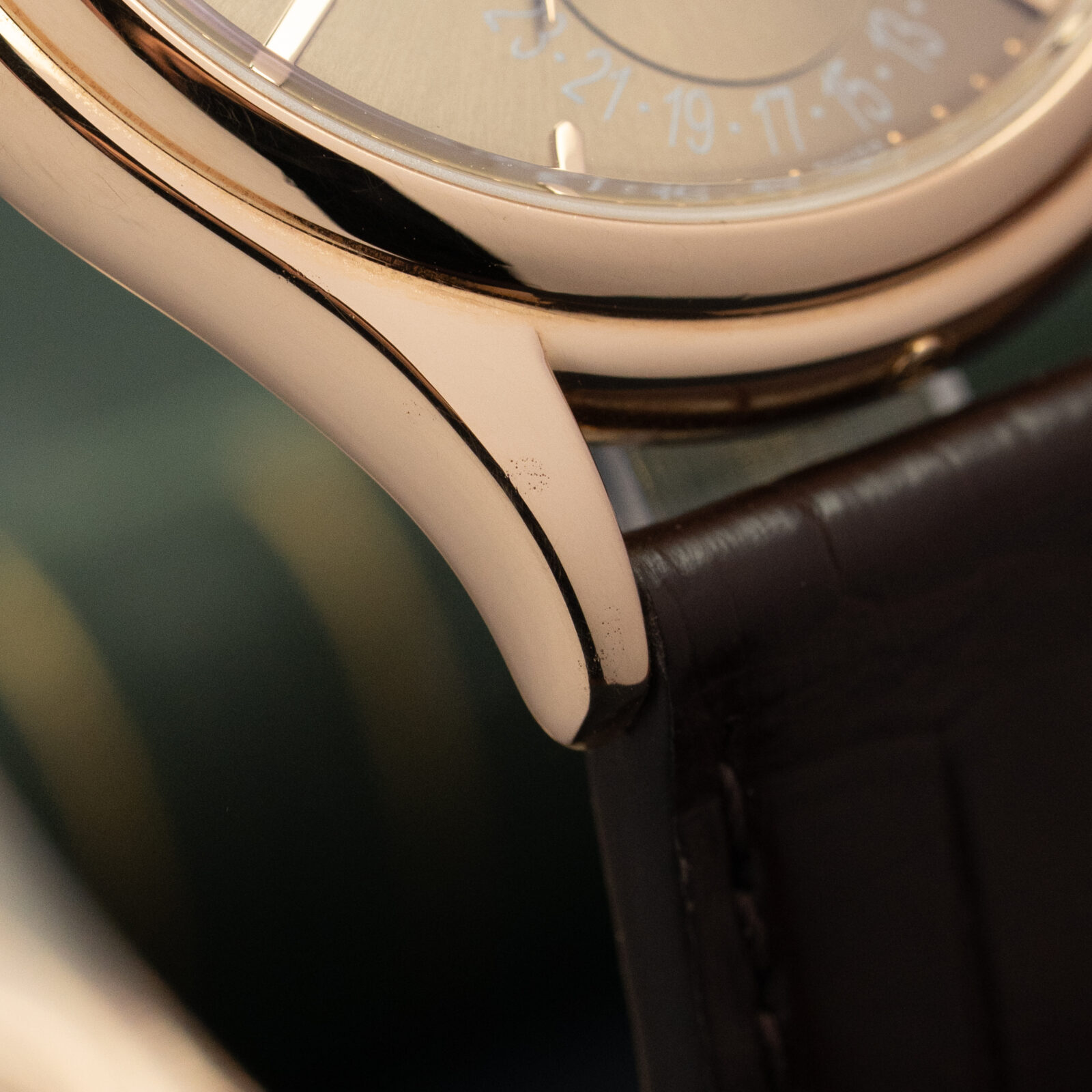
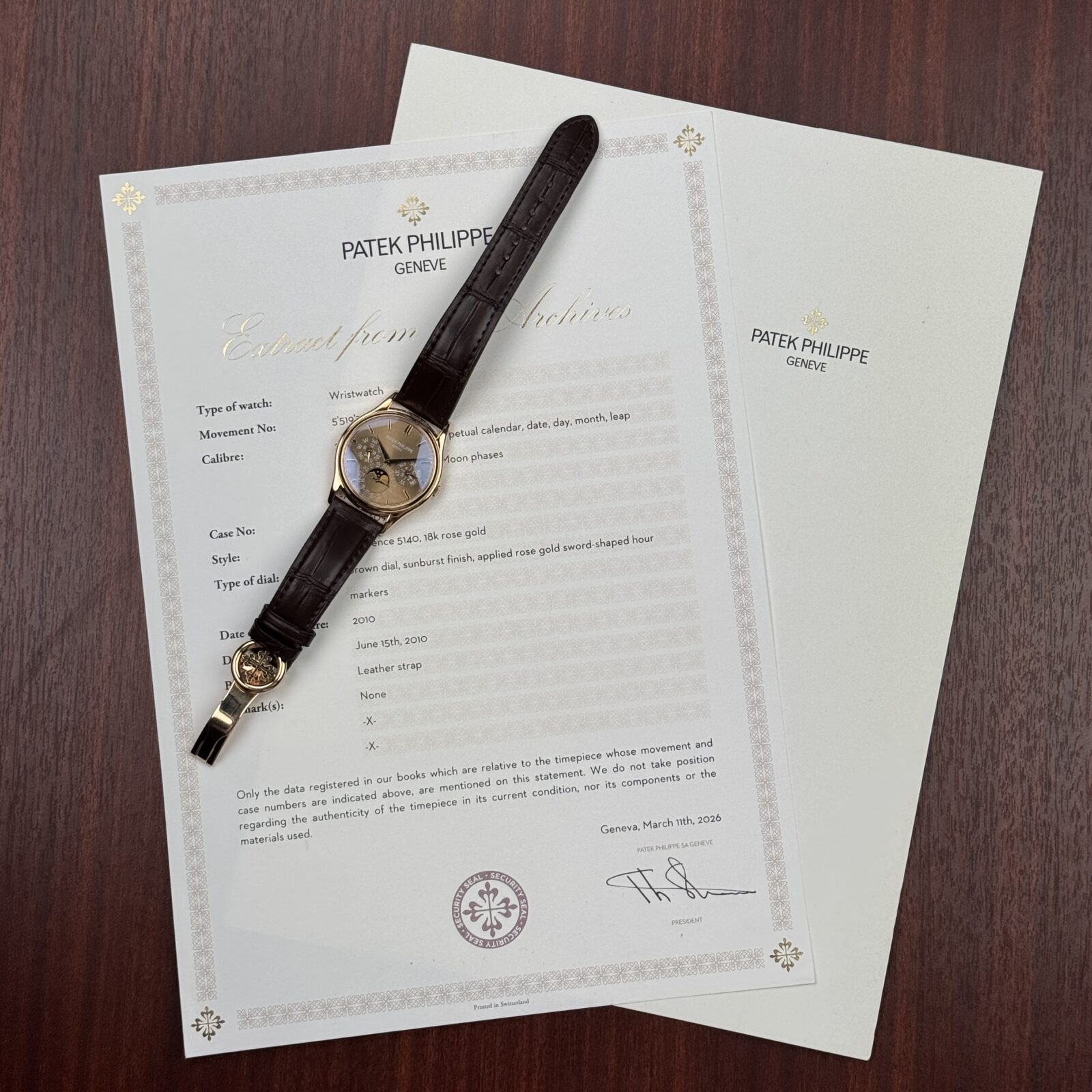
This watch has seen very little wear and is presented on a deep brown crocodile strap, fitted with its original rose gold Calatrava Cross deployant clasp. Dating from 2010, it remains in excellent condition and comes with the extract of the archives.
For collectors seeking a perpetual calendar that is special in its own right, yet elevated further by an exceptionally rare and highly desirable dial configuration, this 5140 is a compelling opportunity.
Specifications
- SKU 8338
-
Reference
5140R
- Case Dimensions
- Case Material
- Glass
-
Dial
'Bronze' dial -exclusive for 5140R-, original Patek Philippe
- Movement
- Caliber
- Year
- Extracts from the Archive